

My 2025 Annual Review
Career breakthroughs, family growth, and the systems that made it all possible.

👋 Hey, Kyle here! Welcome to The Influential Project Manager, a weekly newsletter covering the essentials of successful project leadership.
Filed under: Learning & Growth

Everything in modern society that matters gets “reviewed” at least once a year, have you noticed?
Projects have “retrospectives” in which the key lessons are discussed. Every year we get an annual checkup at the doctor. Companies issue yearly financial reports that detail their performance.
There’s just one thing we don’t typically review on a regular basis...our lives.
As I sit here in the final days of 2025, reflecting on what has been one of the most transformational—and exhausting—years of my professional and personal life, I’m struck by a complex mix of gratitude, pride, and anticipation.
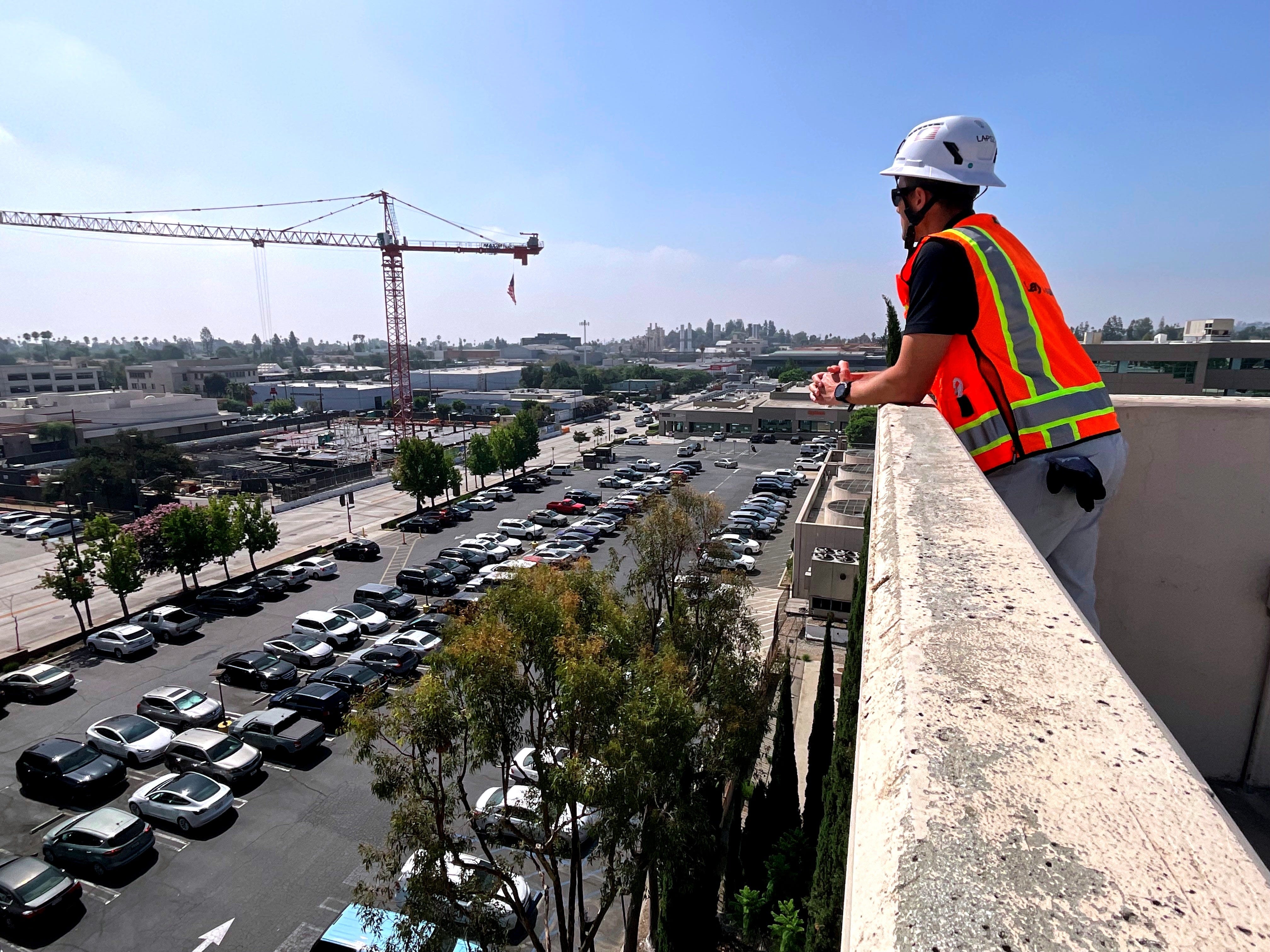
This is my first formal annual review process, and I’m genuinely excited about continuing this practice year after year.
Here’s what I learned: the future doesn’t emerge from a blank slate. It evolves from understanding what actually happened in the past and connecting those lessons to your deepest values today.
When the external world feels chaotic, internal clarity becomes your anchor. An annual review provides exactly that: a systematic way to step back from the noise, understand what actually happened this year, and use those insights to shape what comes next.
What’s scarce now isn’t what we notice, but how we make sense of it. Without a systematic review process, 99% of the value from our experiences is lost. This isn’t just reflection for reflection’s sake. It’s a memory technology for building agency over your past so you can consciously shape your future.
2025 Wins
Let’s start with the wins!
The promotion I’d been chasing for three years.
This year marked my promotion to Regional Construction Manager for Layton Construction—a goal I’ve been systematically working toward for nearly three years.
What started as ambitious aspirations in 2022 has now become my day-to-day reality. I’m no longer just managing projects; I’m building systems, developing people, and thinking strategically about how our healthcare portfolio fits into broader organizational objectives.
My $300M+ portfolio continues to grow, and I’m leading more at the enterprise level. Taking on hosting our company’s monthly Strategic Business Unit call—300+ people from across our organization gathering virtually once every month—went from a helpful gesture into something I genuinely looked forward to.
For me, these weren’t just informational sessions. They became leadership development opportunities disguised as business updates, a chance to model the kind of strategic thinking I wanted to see more of across our organization.
The lesson: Moving from senior project manager to regional leader requires developing systems that work without you and people who can think strategically in your absence. You stop being the person who has all the answers and become the person who helps others find their own answers.
We won a Cal OSHA Golden Gate Safety Award (out of 40,000 projects)
The Cal OSHA Golden Gate Safety Award came in September, and honestly, I wasn’t prepared for the emotional weight of that moment.
We were one of 70 projects selected out of 40,000 active construction sites across California. Standing in front of 100+ craft workers, owner representatives, design team members, and hospital executives—including the CEO of the hospital—I found myself talking about what safety really means and appreciating the workers.
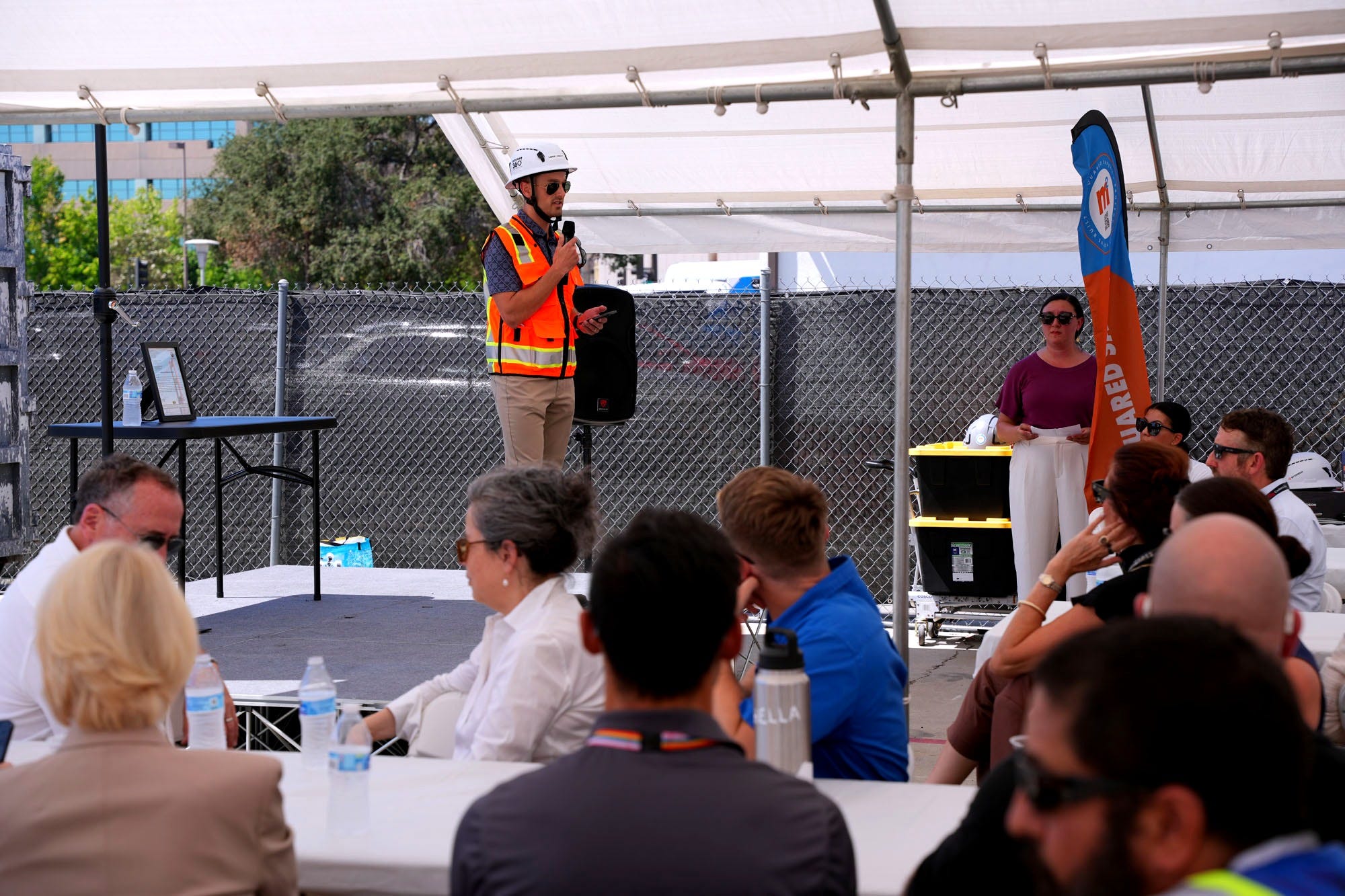
This year reinforced my belief that safety culture only works when you go beyond checklists and paperwork. It’s about keeping people engaged and leading them. It’s about people going home to their families every night. It’s about building something meaningful while protecting what matters most.
The lesson: Safety excellence happens one conversation at a time. The award was nice, but watching a craft worker stop their teammate from taking a shortcut because they genuinely cared about their safety? That’s when you know the culture has shifted.
The Takt planning breakthrough that changed everything
The Takt Planning implementation represents something I’m particularly proud of. I’d been studying lean construction principles for years, but actually deploying them on a live healthcare project with all its complexity? That’s a completely different challenge.
This year, we implemented Takt Planning on my $150M Medical Office Building (“MOB”) project right from the start.
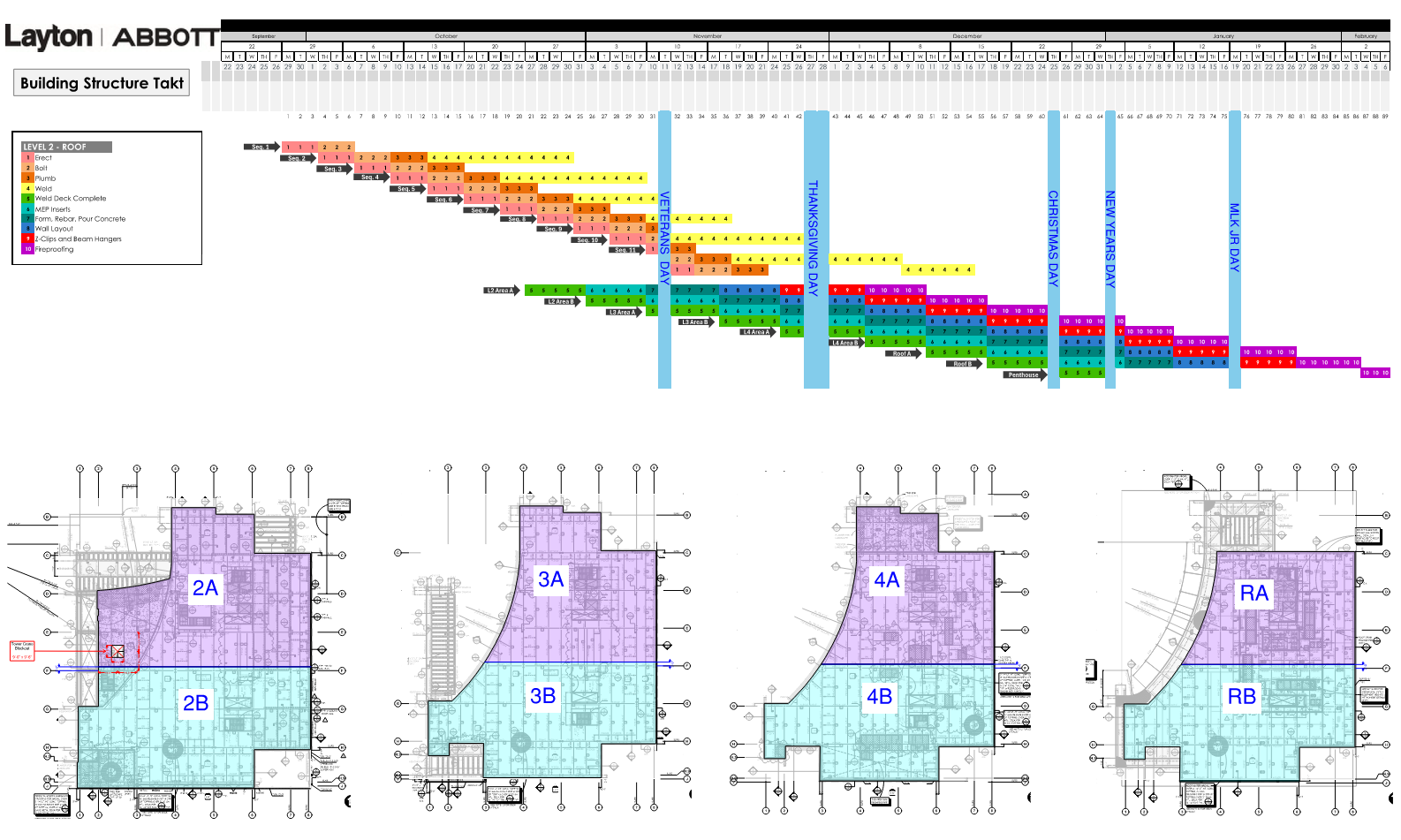
Takt planning changed everything. We broke the work into defined zones with predictable durations, created visual boards that everyone could understand, and established a rhythm that allowed trades to flow seamlessly from one area to the next. The transformation was immediate and dramatic.
The project has been on schedule from day one. Sister companies started reaching out for training. Industry colleagues wanted to understand our approach. This meant we’d gone from implementing best practices to helping define them.
The lesson: The best project management tools aren’t complex systems. They’re visual frameworks that make work flow predictable for everyone involved. When your electrician can see exactly where the plumber will be next week, magic happens.
My book hit 1,000 copies (and opened doors I never expected)

My book, No Bullshit Project Management, exceeded my wildest expectations this year. Selling over 1,000 copies and reaching readers across the industry opened doors I hadn’t even known existed.
“Your book is impressive! It’s on point and packs a lot of great experience and advice. We read your book book-club style and bought copies for our entire operations team. Even the Director of Construction at UGA was impressed. It’s helped us rethink how we support our project managers.” - Christy Kovac, President & CEO at Sheridan Construction
The messages from project managers saying how the frameworks helped them lead with more confidence, the companies implementing the methodologies, the speaking engagements and workshop requests. It’s been humbling to see ideas I’ve developed for years create real impact in people’s careers.
The hard lesson about client delivery vs. client experience
Despite all my professional wins, 2025 taught me the difference between client delivery and client experience.
My client delivery has always been on point—budget, schedule, quality. The base bones of doing what you said you’re going to do. I’m really good at that. But there’s a second layer that the best-in-class contractors master: they provide a client experience that addresses the emotional side of delivery.
Here’s what I mean:
Client delivery is finishing the project on time and on budget.
Client experience is sending a detailed schedule update every Friday showing exactly where we are, what’s coming next week, and any potential concerns—even when everything’s going well.
Client delivery is solving problems when they arise.
Client experience is calling the owner when you spot a design conflict in the drawings before it becomes their emergency, saving them three weeks and $50K they didn’t know they were about to lose.
Client delivery is answering questions during our weekly meetings.
Client experience is remembering that the owner mentioned their concern about parking availability during construction, then sending them a photo update showing our temporary parking solution is working exactly as promised.
Even though I delivered a strong project for one of my clients this year, something wasn’t right with the client experience. Some relationships were strained despite hitting our promises. I was so focused on executing flawlessly that I missed opportunities to make them feel truly partnered with and cared for.
The lesson: If you only focus on client delivery, you become a commodity. If you focus on client experience, you become an irreplaceable partner. This is the most impactful reflection from 2025, and I’m challenging myself to do better in 2026.
Building something bigger: The digital presence that exploded
The newsletter that became a community.
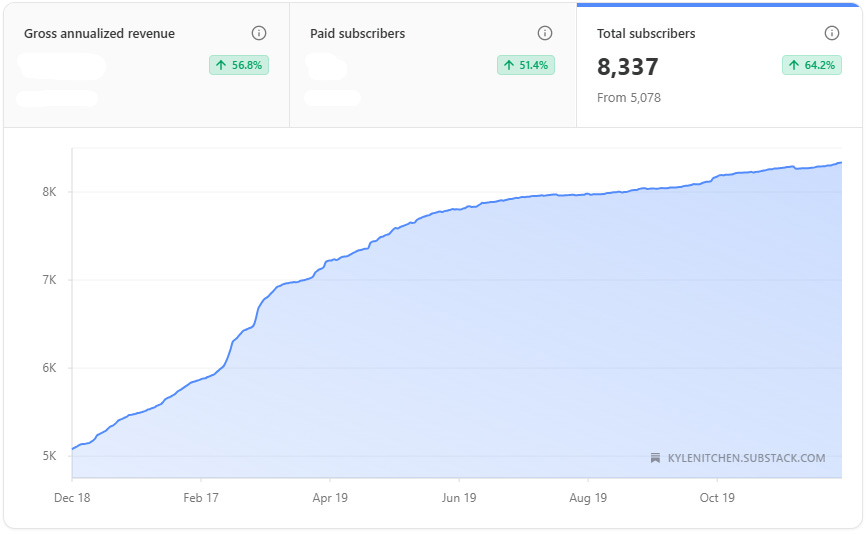
My weekly newsletter, The Influential Project Manager, grew from 5,078 subscribers to over 8,337 this year (a 64% growth that represents more than numbers). It represents a community of construction professionals committed to elevating their craft and leadership.
I noticed that the articles that resonated most tackled the deeper questions about leadership while providing practical frameworks people could implement immediately. Not theoretical concepts. Actionable insights.
LinkedIn growth that surprised everyone (including me).
My LinkedIn presence exploded this year, welcoming 19,318 new followers (120.4% growth) to bring my total following to 27,610 and generating a whopping 5,413,041 impressions in 2025.
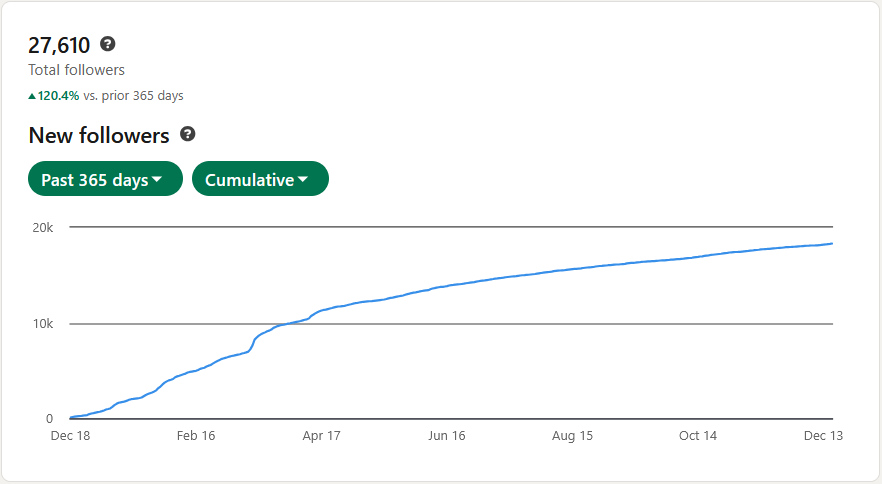
Thank you to everyone who interacted with me on that platform. This growth reflects something I’ve been saying for years: there’s a hunger in our industry for authentic, practical leadership insights that go beyond surface-level project management tips. People want real frameworks they can use Monday morning.
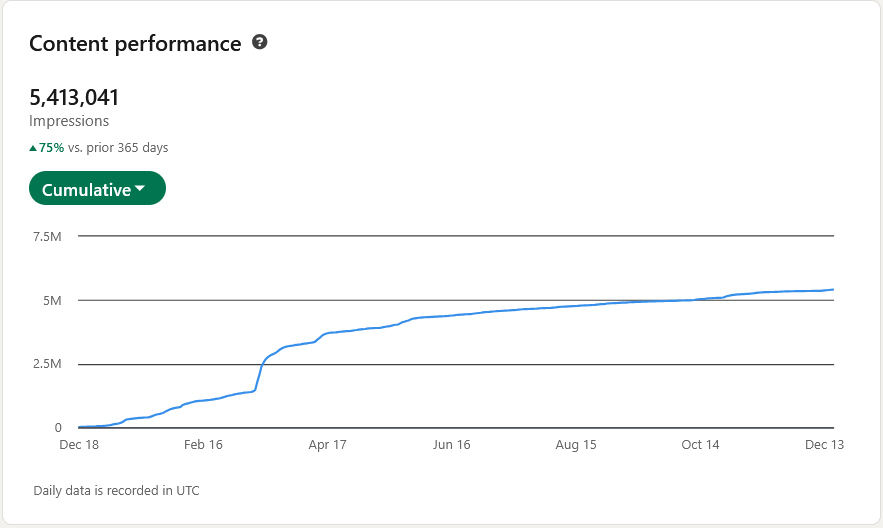
What worked: Being genuinely helpful instead of trying to be impressive. Sharing actual project stories instead of generic advice. Teaching specific frameworks instead of motivational quotes.
ProjectOS: Redefining Project Management
The biggest productivity breakthrough of my career happened in my home office on a Saturday morning in March. Like everyone else in the industry, I was drowning in administrative tasks—status reports, meeting notes, action items, follow-ups—all the routine work that was consuming hours of my week and keeping me from the strategic thinking that actually moved projects forward.
ProjectOS was born from that Saturday morning frustration. Built entirely in Notion with custom AI agents, it’s eliminated the administrative burden that used to consume hours of my week. I’m doing far less routine work than ever before while maintaining higher levels of project control and team coordination.
The system generates meeting summaries automatically, tracks action items across multiple projects, creates status reports with minimal input, and brings all your data and spreadsheets into one place. But the real magic is in the intelligence layer: AI agents that can serve as a digital employees, understand project patterns, anticipate potential issues, and become a thought partner.
Watching hundreds of industry professionals implement the templates has validated something I’ve long believed: the future of project management lies in building intelligent systems that handle the routine so leaders can focus on what truly matters (people, relationships, and strategic thinking).
A Game-Changing Week in New York City
In July, I had the opportunity to attend Dale Carnegie’s High Impact Presentations certification in NYC. Highly recommend. I thought I was already a decent communicator—I mean, I’d been leading teams and presenting to clients for years. But walking into that room in Manhattan, I quickly realized how much I didn’t know.
The program wasn’t just about speaking techniques or PowerPoint skills. It was about the psychology behind influence, how to structure presentations for maximum impact, how to read a room and adjust your approach in real time. We practiced with video cameras, got immediate feedback from instructors, and worked through scenarios that pushed us way outside our comfort zones.
One exercise particularly stood out: delivering an impromptu presentation to executives about a process change I wanted to implement while managing challenging questions from hostile stakeholders. The instructor threw curveballs at us—budget concerns, timeline pressures, regulatory complications. Learning to stay composed, acknowledge concerns authentically, and guide conversations toward solutions rather than problems became second nature by week’s end.
What clicked: These aren’t just nice-to-have skills. They’re fundamental to everything we do in construction leadership. Whether I’m presenting to hospital executives, coaching a Superintendent through a complex sequence, or facilitating a tense OAC meeting, communication is the lever that makes everything else work.
Antifragile Project Management Coaching
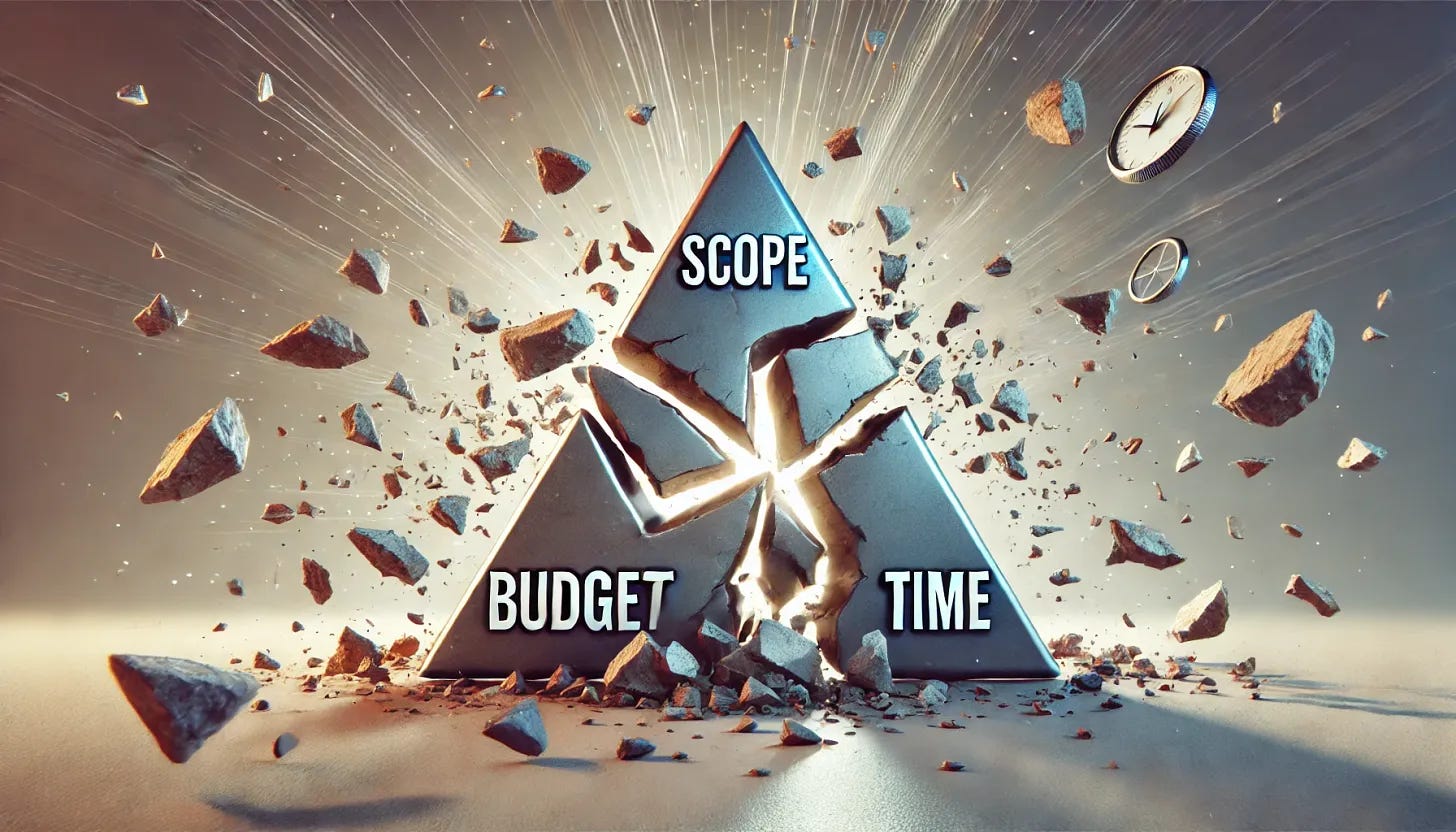
The launch of my high-ticket coaching program emerged from constant requests for mentorship from newsletter readers and LinkedIn connections. People weren’t just asking for tips; they wanted transformation.
The curriculum I developed around my seven archetypes framework (The Communicator, The Enforcer, The Leader, The Builder, The Attorney, The Accountant, The Business Developer) is an intensive leadership transformation tailored to each individual’s specific challenges. We meet bi-weekly for 3-4 months, diving deep into their current leadership style and building practical systems for sustained improvement.
The first three participants have been incredible to work with. Watching a project manager go from struggling with team dynamics to confidently leading complex stakeholder meeting is some of the work that energizes me most. If you’re serious about supercharging your project leadership skills, you can book a career guidance call here.
Marriage and fatherhood: The complete picture
The biggest personal milestone of 2025 was the arrival of our daughter Isabela in April. I thought I understood love after Leon was born, but watching our family dynamic expand from three to four revealed entirely new dimensions of joy and complexity.
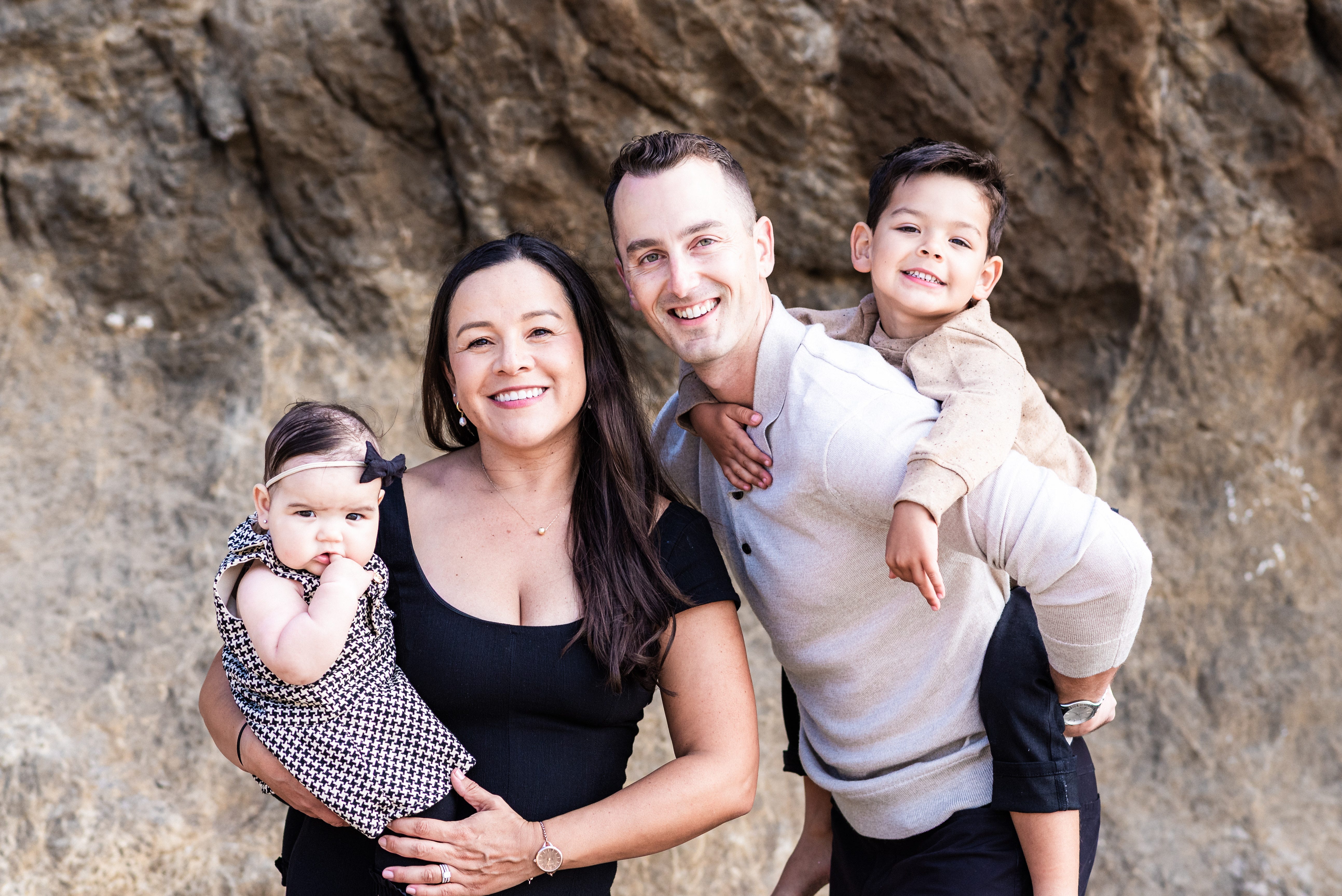
Leon, now 4.5 years old, has embraced his role as big brother with a seriousness that’s both hilarious and touching. He explains the world to Isabela with the confidence of someone who’s figured it all out, teaches her important skills like how to properly stack blocks, and insists on helping with everything from diaper changes to bedtime stories.
Leon started his first year of school in August. Watching him cross that invisible threshold into a new phase of childhood, seeing his excitement about learning and making friends, reminded me how quickly these precious years pass by.
Five years of marriage
This year, my wife and I celebrated our five-year marriage anniversary with a staycation in Westlake Village. The weekend provided needed space to reflect on how we’ve grown individually and as partners, discussing dreams for the next five years. I’m grateful to know that I married the right person.
What success actually costs
But here’s what doesn’t make it into LinkedIn posts or industry recognition ceremonies: this year was hard.
The sleepless grind
The arrival of Isabela brought indescribable joy and overwhelming challenge in equal measure. Many nights of 3-4 hours of sleep, then waking up early to drive to work and perform and lead people on absolutely minimal energy.
The constant back-and-forth between a precious newborn and energetic toddler at home and the demands of being on the verge of promotion was brutal. I remember thinking with Leon that the first year was the hardest. I was reminded again with Isabela.
The adjustment to two children has been everything people warned us about and more. Sleepless nights where we tag-teamed feeding sessions, logistical complexity that requires military-level planning for simple trips to the grocery store, and the beautiful chaos of a house full of young life.
Having all this explosion of projects and professional opportunity while managing two children under five stretched Nataly and I thin. Was it worth it? Absolutely.
Losing my identity around fitness
The second biggest challenge was losing my identity around health and fitness. For the last 15 years, I’d been the guy who was in the gym 5-6 days a week. Getting after it. Fitness was core to who I was.
For the second time in my life—first with Leon, now again with Isabela—I had to put my entire fitness routine on hold.
Mid-year, sitting with my dad, he reminded me that life happens in seasons. I had to let go of the gym, the discipline, the mental toughness I derived from physical training, and redirect that energy to my current season: family, supporting my wife, being there for them, and crushing it at work. I couldn’t handle much more than that.
That reframe (understanding this as a season rather than a permanent loss) helped my inner peace. I’m still not all the way through it, but I can see the light at the end of the tunnel.
What I’m learning: Sometimes the strongest thing you can do is consciously choose what to sacrifice in each season of life. The gym will be there when this season passes. My kids being 4 and under 1 won’t be.
What marriage with young kids teaches you: Growth happens when both partners choose to lean into challenges together rather than away from them. The strongest relationships aren’t built during the easy seasons.
Looking forward: The abundance problem
As I look toward 2026, I face what I call “the abundance problem.” I’m worried about sifting through and prioritizing all the opportunities available. The construction industry is responding incredibly well to the ideas and content I’m creating. There are so many fun projects to work on, problems to solve, people to collaborate with.
The biggest challenge will be saying no to more things and more people and focusing on the 1-2-3 things that truly matter. Defining what’s most important and ensuring I’m working on the right problems with the right people.
Professional Aspirations for 2026
Elevate the standard of project leadership across our entire healthcare portfolio
Scale what works with Atomic Building Group while staying true to the mission
Expand ProjectOS through better marketing and user education
Grow the Antifragile coaching program with focus on transformation over volume
Personal commitments
2026 is about deepening rather than expanding. With Isabela in her first year and Leon developing his own interests, I want to be fully present for my wife and these fleeting early childhood years.
I’m committed to maintaining the work-life integration that made 2025 sustainable, even as the promotion brings additional responsibilities but also more autonomy to structure work in ways that support rather than compete with family priorities.
2025 Gratitude
As I write these final paragraphs, I’m overwhelmed with gratitude and exhaustion.
Gratitude for a wife who supports my ambitions while keeping me grounded.
For kids who remind me what unconditional love looks like.
For colleagues and clients who trust me with their most important projects.
For newsletter subscribers and readers who engage with ideas I’m passionate about.
2025 was a year of recognition by the industry, by peers, by myself. But it was also a year of reckoning with the true cost of ambitious living. The promotion, book success, newsletter growth, family expansion, business ventures. None happened in isolation. Each created energy and insights that fed the others, but also demanded everything I had to give.
This annual review process has been the key to recognizing these patterns and connections. As I continue this practice year after year, I’m excited to see how conscious reflection compounds over time, helping me make sense of experiences that might otherwise be lost in the blur of daily survival.
The systems are in place. The relationships are strong. The mission is clear. Most importantly, I understand now that building something remarkable requires not just ambition and skill, but the wisdom to know which season you’re in and what that season demands.
It’s time to build something remarkable, one season at a time.
If you enjoyed this reflection and want to be part of the conversation about what it means to be an influential project manager, I’d love to have you join the community. Whether through The Influential Project Manager newsletter, the Atomic Building Group community, or simply connecting on LinkedIn, let’s continue pushing the boundaries of what’s possible in construction leadership.
Here’s to making 2026 a year of even greater impact, integration, and growth.
Until next week,
Kyle Nitchen

Whenever you’re ready, here are 5 ways I can help you elevate:
Join my free community. Connect with thousands of construction professionals in the premier community for project management excellence. Get monthly live sessions, AI prompts, and battle-tested frameworks. No cost. Real results.
Install ProjectOS. My complete AI-powered operating system for project leaders. Done-for-you Notion template with AI Agent, Master Prompt Method, and integrated workflows that save 10+ hours weekly. (Our most popular product).
Read my Book. No Bullsh*t Project: A Project Manager’s guide to successful project leadership.
Join Antifragile Project Management. My flagship coaching program combining the 7 Archetype Framework, AI mastery, and proven leadership systems. Small cohorts, personalized attention. Book a discovery call to learn more.
Promote Your Business. Get your brand in front of 8,300+ highly engaged construction leaders and decision-makers with a 51% open rate.
The distinction between client delivery and client experience is spot-on and honestly something I've had to learn the hardway myself. Projects where I nailed every metric but still felt something was off usually came down to that exact gap. The Friday email example really captures it becuase it's not about the information itself but about reducing anxiety and building trust through proactive communication. I've seen how those small touchpoints accumulate over a project's lifespan and fundamentally change how clients perceive value beyond just the deliverables.